Leapfrog

A web and mobile platform for forest projects and agricultural supply chains
Improving transparency before carbon revenues arrive
Before forest carbon projects generate a single carbon credit, they may spend millions of dollars and support hundreds of thousands of days of labour. Yet the systems used to track that spending are often fragmented. Improving the connection between field activities, evidence and payments could strengthen accountability long before carbon revenues arrive.
Substantial spending before the first carbon credit
From the outside, forest carbon projects can appear straightforward: protect forests today and generate carbon revenues tomorrow. In reality, they are long-term rural development projects involving communities, local authorities, NGOs and investors. These projects require significant upfront investment to cover years of community engagement, training, livelihood activities and project management before carbon revenues begin to flow.
For many community members, the most important payment is often not a future carbon dividend but the wages they expect to receive for their work already completed.
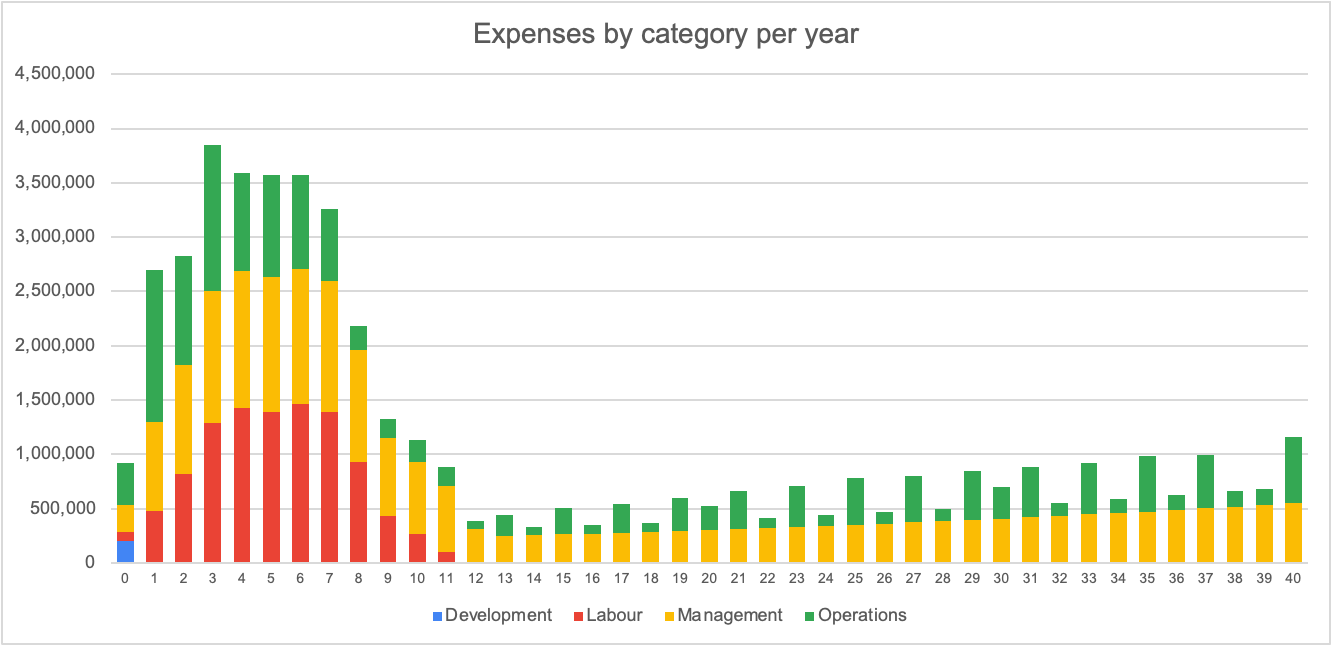
The Iroko restoration project, developed by Iroko Analytics, aims to restore nearly 14,000 hectares of degraded forest and generate carbon credits. It expects to spend approximately US$1.6 million on goods and consumables alone in its first three years, including seeds, nursery materials, fuel and worker meals. Over the same period, the project plans for around 230,000 days of field and nursery labour for activities including land preparation, planting and site maintenance. Carbon credit generation is expected to begin in year seven.
Following payments from fieldwork to receipt
Discussions about integrity in carbon markets often focus on carbon ownership, credit calculations and future benefit sharing. These are important issues, but they can overshadow a more immediate question: how can projects demonstrate that funds are reaching the people carrying out the work on the ground?
When evidence of completed work and payment records are spread across paper forms, messaging apps and disconnected systems, it becomes much harder to identify errors, investigate discrepancies or challenge unexplained deductions.
In Iroko’s project, workers may be paid by the day or by the task completed, such as site weeding or planting seedlings. These small individual payments are collectively a major part of the funds spent by the project.
The project’s implementing partner, the Centre Technique de la Forêt Communale (CTFC), already records attendance, authorises payments and enters expenditure into its accounting system. Field records are currently kept on paper, shared as photographs and then manually re-entered into the accounting system.
Linking those records digitally with supporting evidence could provide project managers, workers, investors and credit buyers a clearer picture of how project funds are spent.
Testing Leapfrog to strengthen existing systems
REM is working with software developer Milo Solutions to develop Leapfrog, a digital platform being tested with Iroko Analytics and CTFC in the project. Leapfrog links field activities with evidence such as photographs, locations and timestamps. The aim is simple: make it easier to verify how project funds are being used. Who did the work? What work was completed? How was payment calculated? Was it received?
The pilot is part of Towards inclusive governance for forest carbon markets, a project funded by UK International Development and led by Transparency International in partnership with the Basel Institute on Governance and REM.
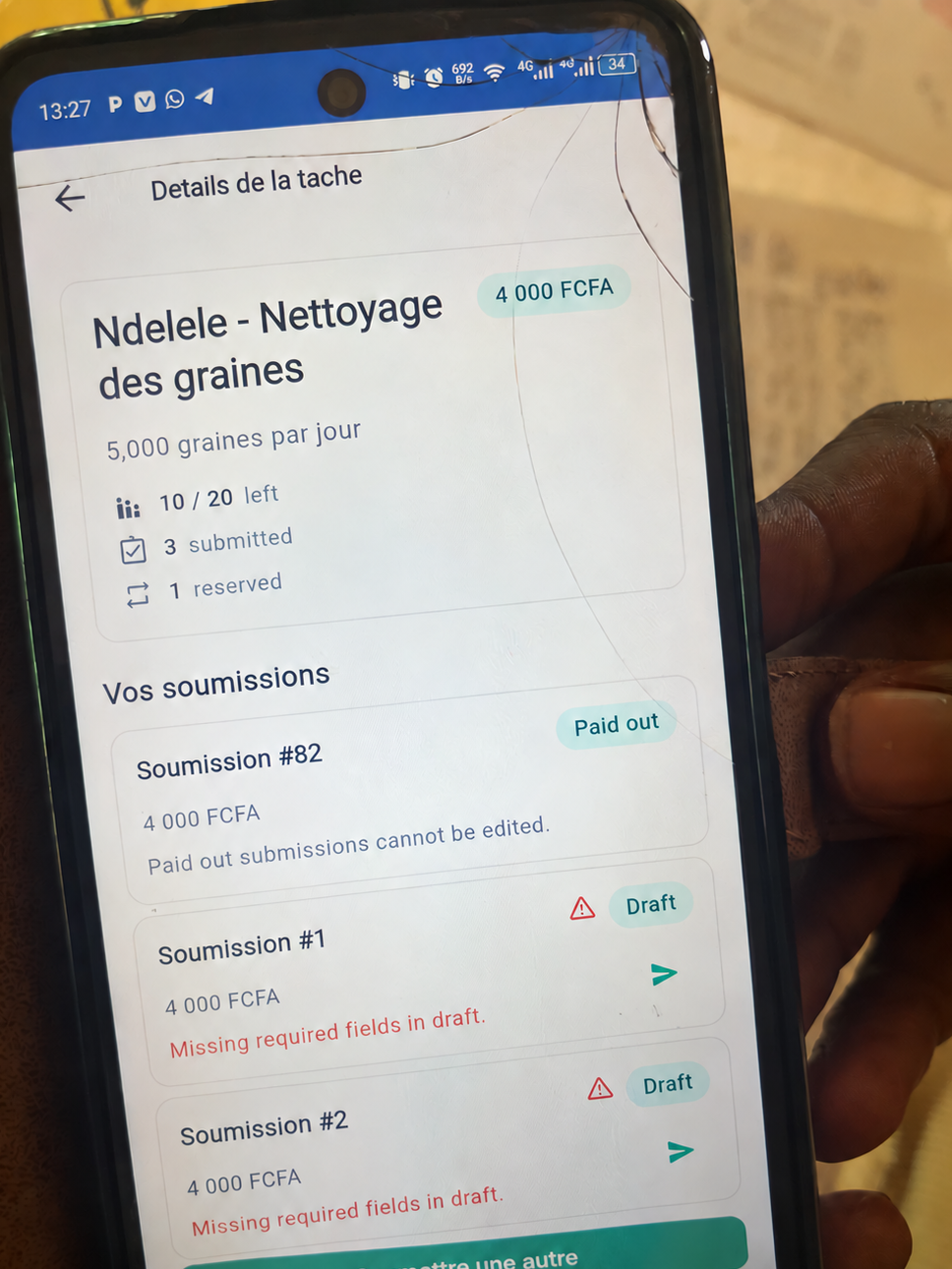
Activity records can be linked to payment calculations and reconciled against payments made through existing channels. REM and Iroko are working out how this could best work to strengthen CTFC’s existing procedures, and how to address practical field challenges.
Connectivity, familiarity with use of digital tools, and access to smartphones vary. A supervisor may therefore need to record work for several workers, with each worker able to confirm their own record.
Of course, digital tools cannot guarantee that records are accurate or honest. A digital audit trail can record mistakes and manipulation just as easily as legitimate activity. What digital systems can do however is make information easier to compile, verify, compare and challenge.
Our aim is to keep the tool easy to use while resolving these complex hurdles in its underlying technical design.
Better evidence for project oversight and trust
Forest carbon projects are often judged by the integrity of the carbon credits they eventually produce. Yet trust is established long before credits are issued, through the everyday interactions, payments and commitments that connect projects with local communities.
Greater transparency around routine payments will not solve every challenge facing the sector, but it can strengthen accountability, build community confidence and provide stronger evidence that project benefits are reaching the people they intend to support. Digital tools such as Leapfrog offer one practical way to support that effort, provided they work alongside existing systems and add genuine value.